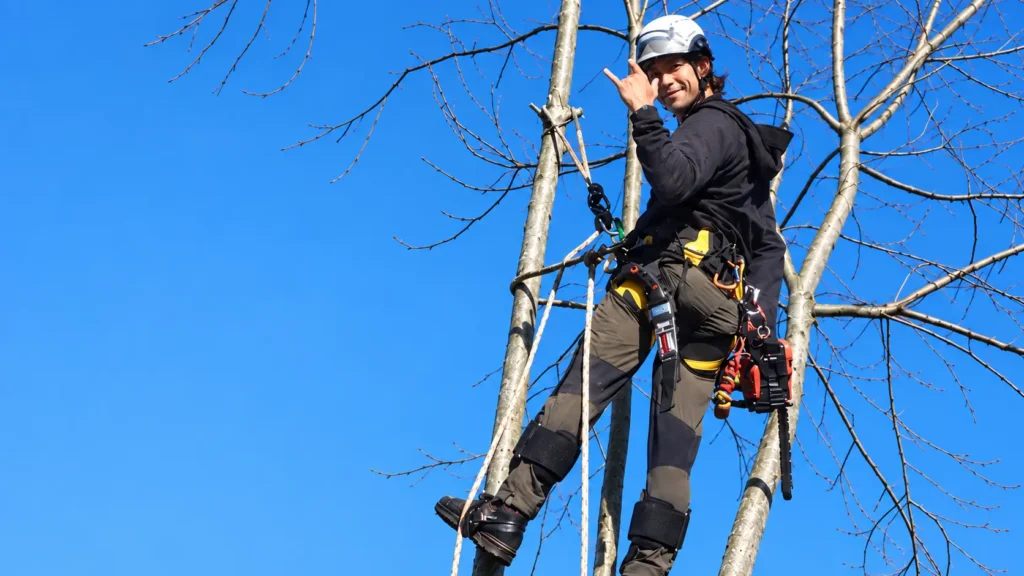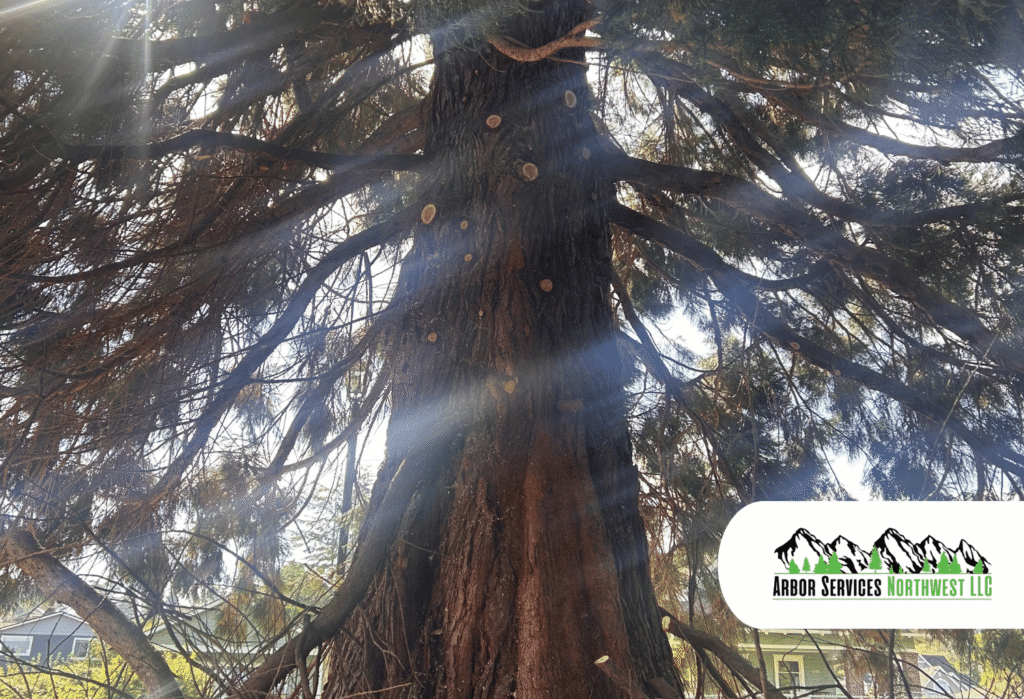
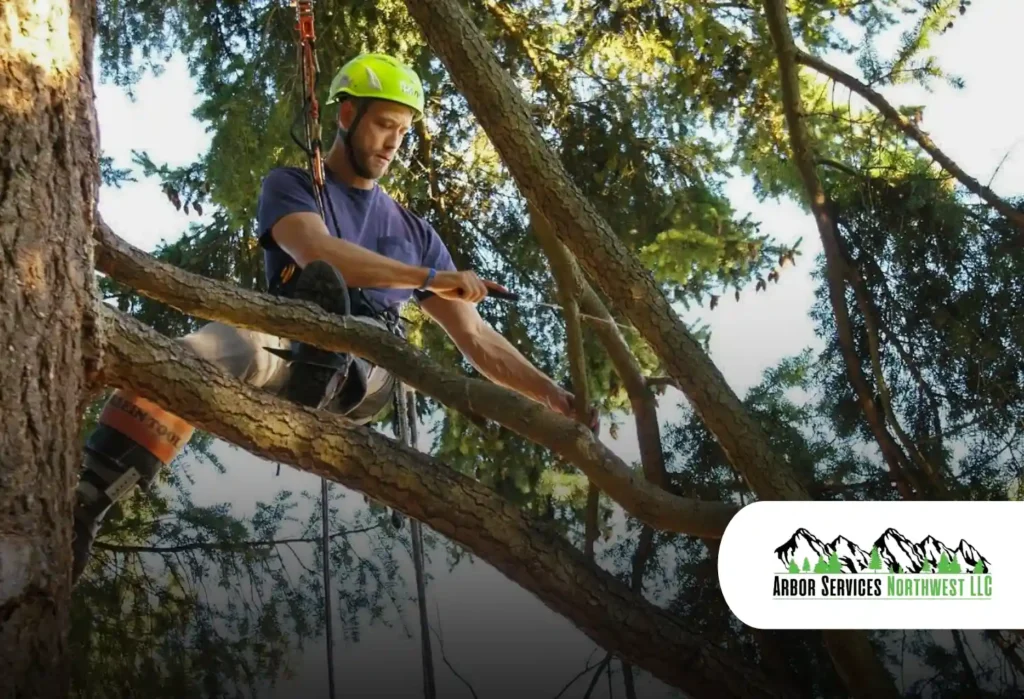
Winter can be a good time to address damaged branches, improve tree structure, and plan needed clearance. Arbor Services Northwest LLC provides professional tree pruning to determine which branches need attention, when to act, and what can wait. The right approach depends on your tree’s species, condition, and surroundings.
A damaged limb above a walkway needs a different response than healthy growth that can wait for later pruning. We evaluate the concern first, then explain whether pruning, trimming, or another service will address it.
Concerned about damaged limbs, overgrown branches, or a tree that no longer fits its space?
How Can Professional Winter Pruning Help Your Trees?
Tree pruning is the selective removal or shortening of branches for a defined purpose. It can address damaged growth, rubbing branches, or structural concerns that may become more difficult to manage as a tree matures.
Winter offers a practical advantage for deciduous trees: without leaves, their branching structure is easier to see. Dormant-season pruning happens when active growth has slowed or stopped. For many species, planned work before spring growth begins can be appropriate.
The International Society of Arboriculture generally considers the period before the spring growth flush favorable for growth and wound closure. Species-specific disease concerns and the tree’s condition can change that recommendation.
Our professional tree pruning service begins with identifying the affected branches and determining what each cut should accomplish.
Which Branches Should You Have Evaluated Now?
You don’t need to know the right pruning method before calling. Start with what you have noticed and where the tree is located.
Dead, Broken, or Hanging Branches
Request a prompt assessment when a damaged limb hangs above a home, driveway, entrance, or another frequently used area. A preferred season for routine pruning should not delay evaluation of a potentially hazardous branch.
Keep people away from the area beneath damaged growth. Do not climb the tree or pull on a lodged limb. Tell us where the branch is located and what is beneath it so we can understand the concern.
Crossing Branches and Competing Growth
Branches rubbing against each other or competing for the same space may benefit from selective pruning. On younger trees, appropriate structural work can guide branch development before larger cuts become necessary.
Mature trees require more restraint. We consider the size of the proposed cut, the remaining branches, and whether shortening a limb could meet the objective without removing it completely.
The goal is to address the problem while preserving appropriate growth and structure.
Would Tree Trimming Better Address Your Clearance Problem?
If branches brush against a roof, crowd a walkway, or obstruct a driveway, your main concern may be clearance.
Our tree trimming services focus on growth interfering with buildings, access, and usable space. We identify the branches causing the interference and determine how to create suitable separation.
Trimming and pruning can overlap on the same project. A tree may need clearance near a building and selective removal of damaged growth elsewhere. Describe what you want to improve, and we can explain which work makes sense.
Which Pruning May Be Better Scheduled for Later?
A winter evaluation does not mean every recommended cut should happen immediately. Timing should support the work’s purpose.
Pruning Intended to Preserve Spring Flowers
Many spring-flowering trees carry flower buds on the previous season’s growth. Removing those branches in winter can reduce the coming flower display.
When preserving blooms is a priority, pruning after flowering may be appropriate. University of Minnesota Extension distinguishes plants that flower on older growth from those that flower on new growth.
Species and disease considerations still matter. We also assess damaged limbs separately from routine shaping, even when other work is being deferred.
Major Size Reduction Without a Suitable Plan
A request to make a tree substantially smaller needs careful evaluation. Removing large amounts of healthy growth can stress the tree, and large cuts can create wounds that are difficult to close.
Dormancy does not make excessive cutting appropriate. We consider whether selective reduction can achieve the desired result and whether the tree’s location makes ongoing maintenance practical.
Topping, which involves indiscriminate cuts to stubs or unsuitable side branches, should not substitute for a considered pruning plan.
When Does a Tree Need More Than Pruning?
Some concerns extend beyond the branches. A changed lean, trunk splitting, or movement around the roots calls for evaluation of the whole tree.
Through tree safety and maintenance, we assess visible concerns and explain whether monitoring, branch work, or a more extensive response is appropriate.
If a tree is severely damaged or its condition cannot reasonably be managed through maintenance, professional tree removal may be necessary. That decision should follow an assessment of the tree and surrounding property.
If a fallen or unstable tree has already created an urgent property concern, describe the situation when asking about emergency tree removal. Stay clear of electrical lines and contact the utility if wires are involved.
What Should You Expect From Your Pruning Recommendation?
You should understand which branches need attention, why the proposed cuts are appropriate, and when the work should occur. The recommendation should also explain whether anything should be left for later.
Tell us about previous pruning, recent storm damage, nearby structures, and access restrictions. Photographs taken safely from the ground can help describe the concern, but they cannot establish the tree’s condition on their own.
A useful plan may involve a few selected cuts, a later appointment, or continued monitoring. The recommended service should match your tree’s needs and the problem you want to solve.
Find Out What Your Trees Need This Winter
Concerned about damaged limbs, overgrown branches, or a tree that no longer fits its space? Arbor Services Northwest LLC can evaluate the concern and explain whether pruning, trimming, maintenance, or removal is appropriate.
Call (253) 209-0298 to discuss your trees.
Frequently Asked Questions
Yes. January is a useful time to arrange an assessment and plan appropriate work before spring growth. The actual pruning date depends on the species, condition, and proposed cuts.
No. Pruning should respond to an identified need. A tree with suitable structure, healthy growth, and adequate clearance may not require work that season.
Some evergreen pruning may be appropriate in winter, depending on the species and purpose. We consider growth habits and suitable cutting locations before recommending reductions.
No. Report broken or hanging branches promptly, especially near occupied areas. Assess urgent branch concerns separately from routine seasonal pruning.
Sometimes. Selective reduction can shorten a limb back to a suitable lateral growth point. The branch’s size, condition, and available side branches determine whether that approach is appropriate.
It can. Winter cuts may remove flower buds from trees that bloom on the previous season’s growth. Identify the tree and discuss flowering goals before scheduling routine shaping.
Only the amount justified by the pruning objective and the tree’s condition. Age, species, branch size, and remaining foliage affect what